
Prototype to low volume
A practical pathway for proving a design, producing a one-off part, or manufacturing a controlled small batch.
02 / Manufacture
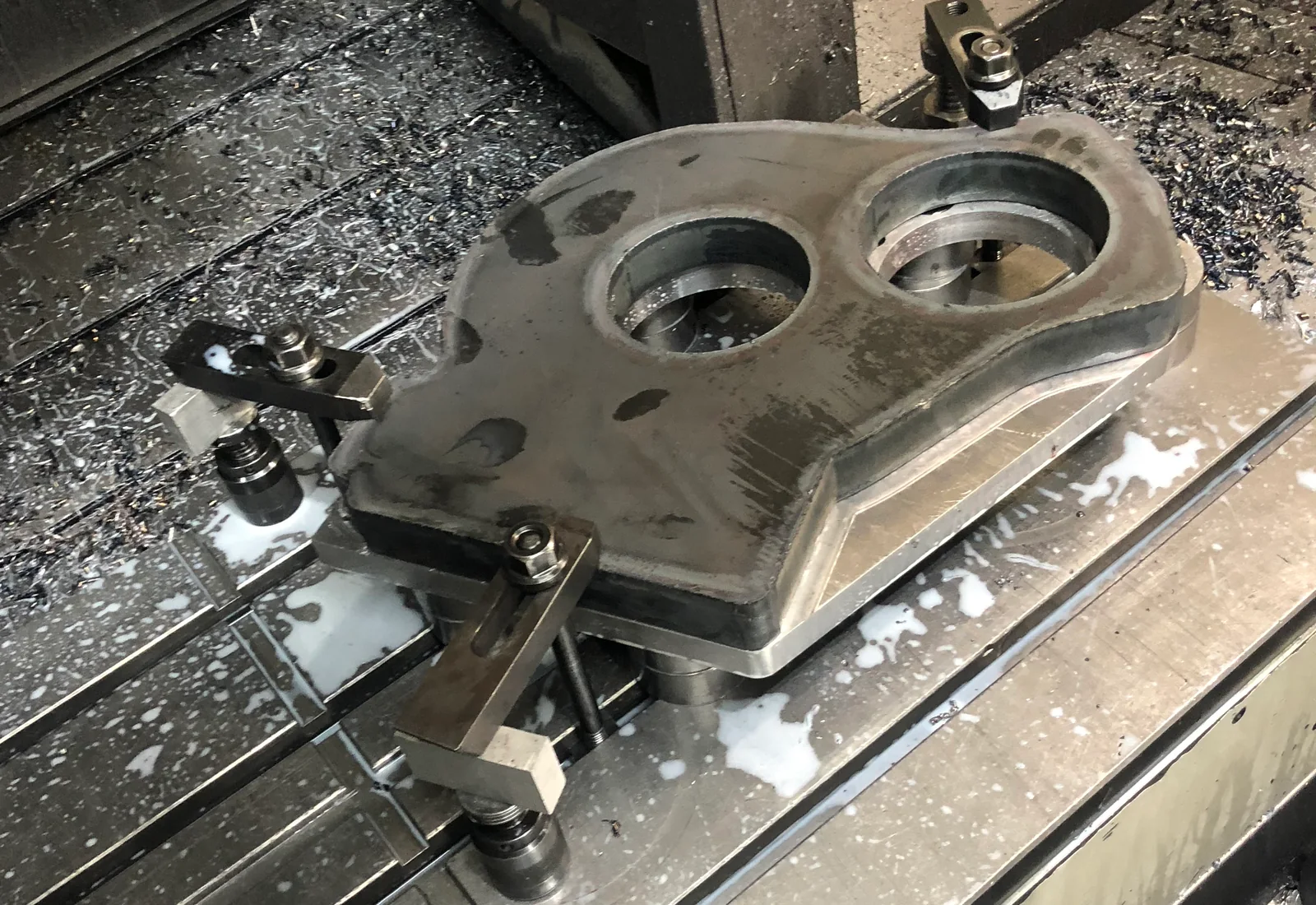
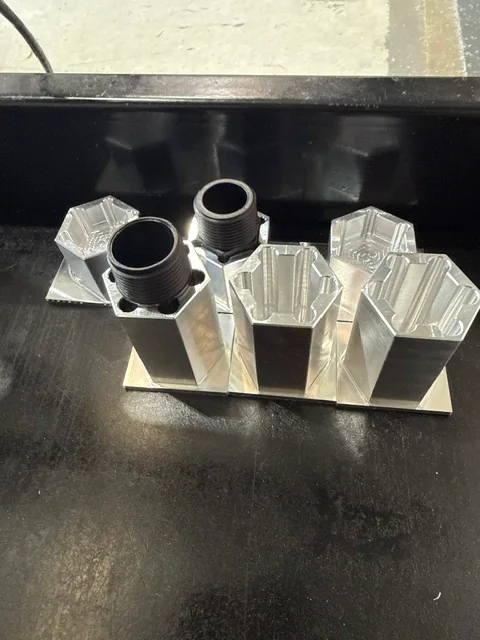
CNC machining for prototypes, one-off components and low-volume production—supported by design and manufacturing knowledge in one workflow.

What we do
Project-specific tolerances are available subject to component geometry, material and manufacturing requirements.
The approach
A practical pathway for proving a design, producing a one-off part, or manufacturing a controlled small batch.
Projects may use aluminium, steel, stainless steel, engineering plastics and other materials subject to requirements.
When geometry needs adjustment, the feedback loop between engineering and manufacture stays direct.
Have enough information to begin? Start now and add technical details progressively.
Request manufacturing quote ↗Project workflow
Engage True Axis for one stage or carry the project through the complete workflow.
Assess CAD, drawings, material, quantity and application.
Develop the machining and workholding approach.
Prepare CAM operations for the component.
Manufacture using the suitable axis strategy.
Verify agreed critical dimensions and requirements.
Prepare completed components for collection or dispatch.
Project inputs + outputs
Upload the information you already have. True Axis reviews geometry, application, interfaces and inspection needs before confirming scope.
Frequently asked
No. Supply the part information and required outcome. True Axis determines the suitable machining, setup and workholding approach during review.
Prototype and one-off work can be reviewed alongside low-volume and repeat requirements. Suitability depends on geometry, material, access and project scope.
Where required, associated processes such as anodising, heat treatment, grinding, coating or engraving can be coordinated with suitable external suppliers and identified clearly in the scope.
Start with what you have
Tell us what you need the component or system to do. We’ll help define the right next step.
Request manufacturing quote ↗