

The test conditions
Identify the mating parts, direction of travel or assembly sequence that the prototype needs to reproduce. This gives the trial a clear pass condition.
Check a design with a physical part before committing to a batch. A prototype can show whether a component fits, whether it clears its neighbours and how it goes together.
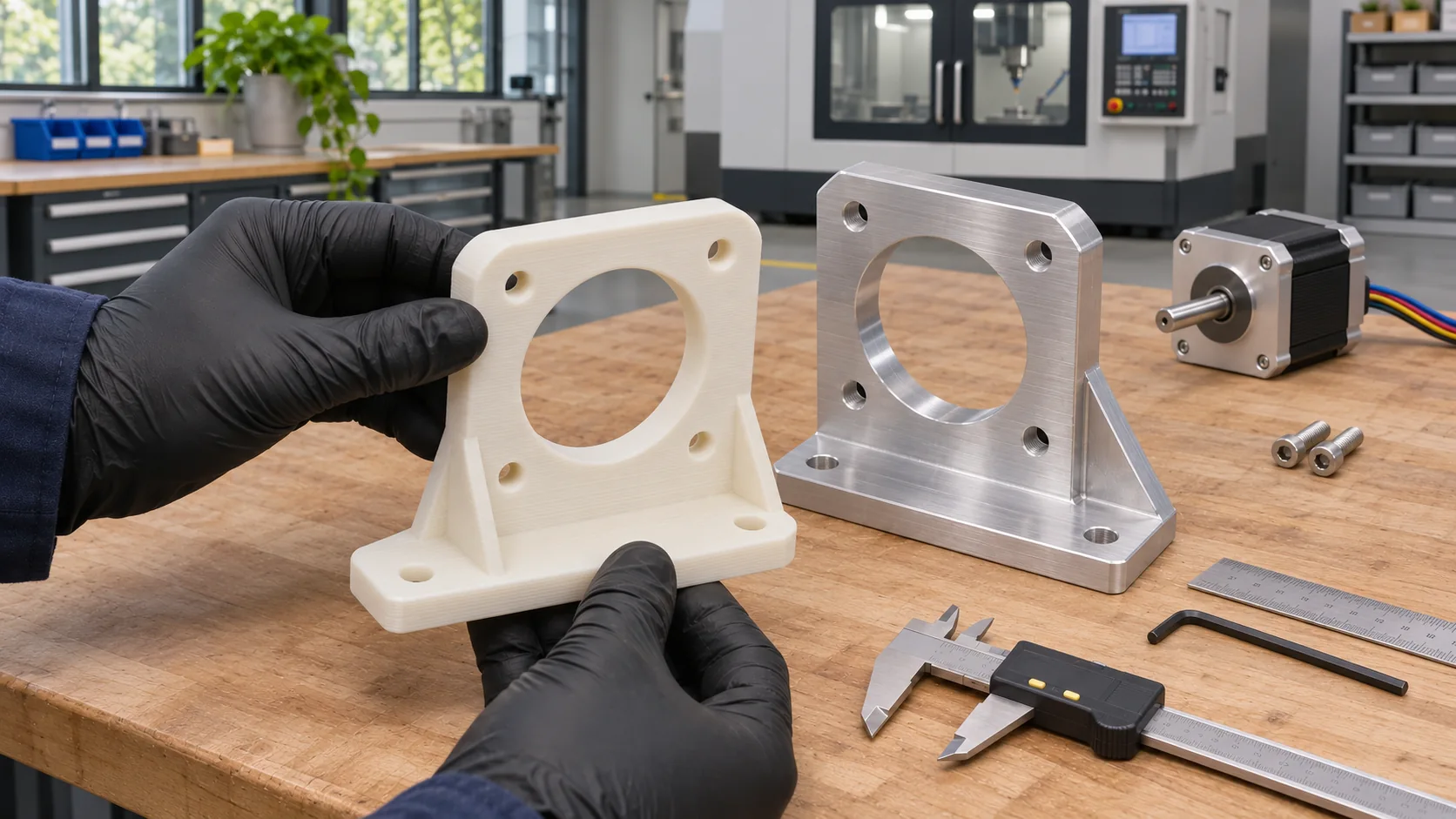
Start with a decision the prototype will help you make. For a mounting bracket, that might mean checking the hole pattern, the space for a fastener or the clearance as another part moves.
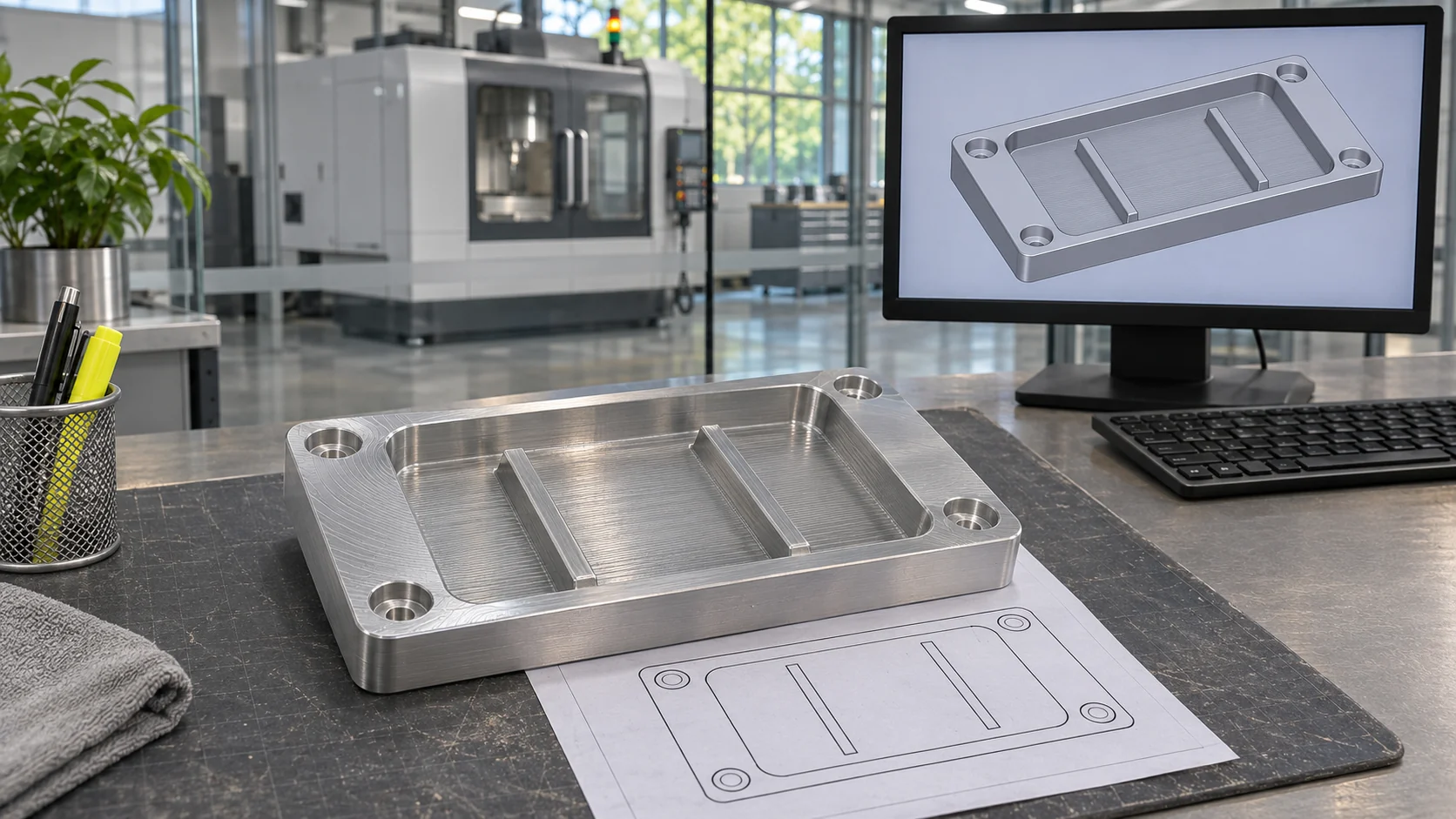
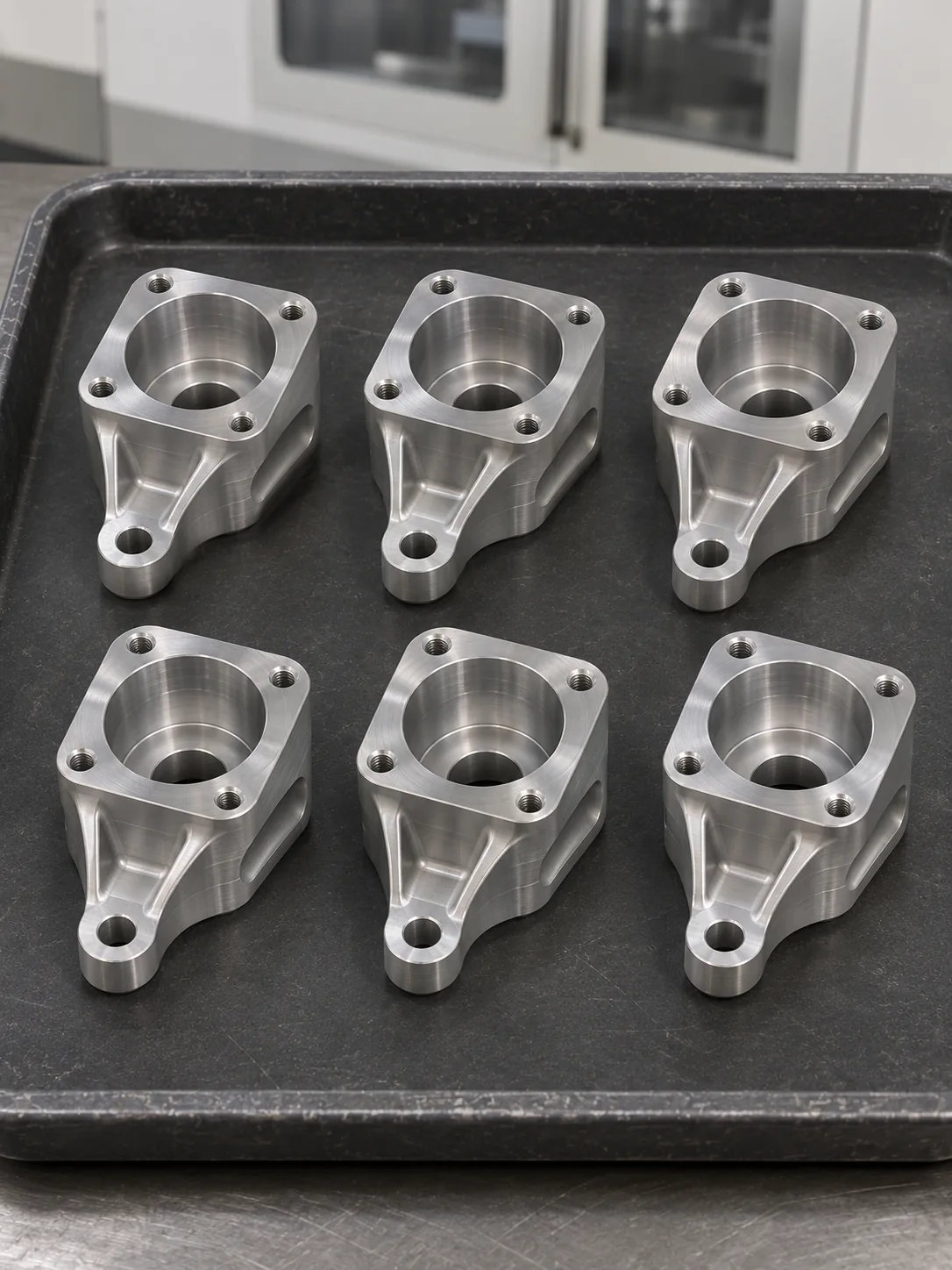
Identify the mating parts, direction of travel or assembly sequence that the prototype needs to reproduce. This gives the trial a clear pass condition.
A fit check may need only the mounting geometry. A loaded or moving part may also need a representative material, surface finish and fit.
Mark any interference, movement or difficult access on the part or drawing. That feedback tells us what to change before you commit to another build.
If the prototype will be fitted to an existing assembly, share the mating part or its dimensions before the model is finalised.
Agree which question the prototype must answer and what you will check.
Review the existing model or develop the features needed for the trial.
Make the part in the agreed material and condition.
Use the trial results to decide whether to revise the design or request a production quote.
A sketch and a description of what you need to check are enough to start a design enquiry. We can then agree which geometry and drawings the build needs.
For an assembly fit check, the critical dimensions may be sufficient. If stiffness, wear or load affects the result, tell us the intended material and operating conditions when scoping the trial.
Review the trial and agree any design changes. The revised part, material, quantity and inspection requirements can then be used for a production quotation.